
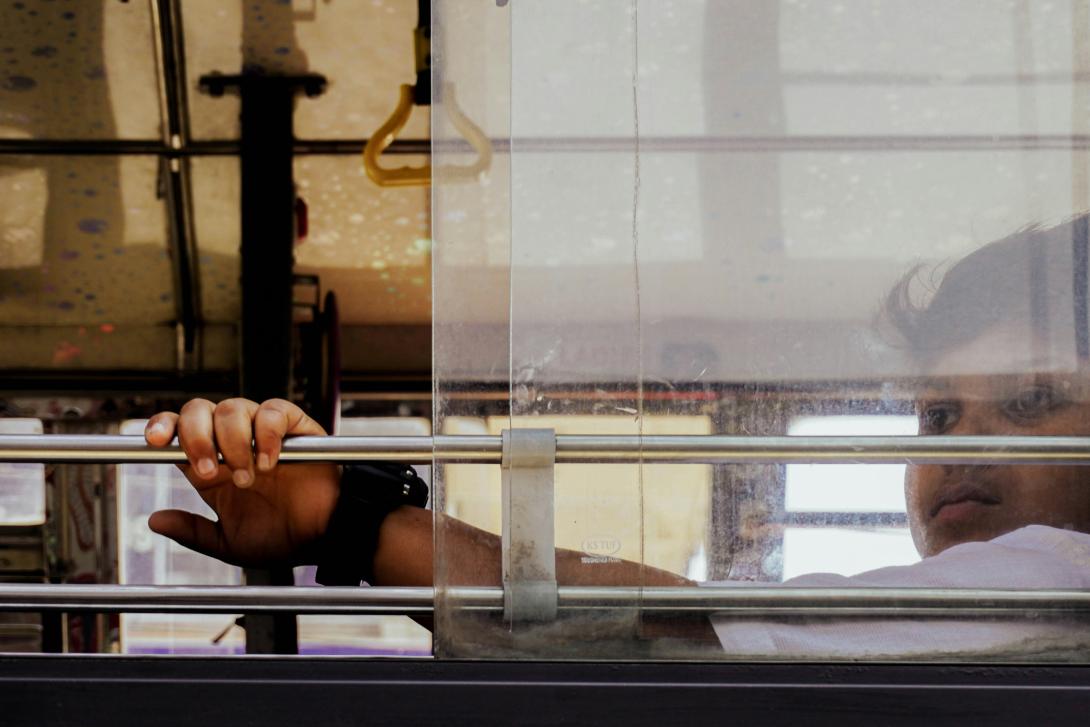
Our identity is shaped by how we see ourselves, even if we aren't fully aware of it. This self-perception sets us on a particular life path. The saying "birds of a feather flock together" illustrates how people with similar interests tend to come together. For instance, if you see yourself as a sports fan, you typically seek the company of other sports fans. However, identity issues can arise when we struggle to connect with those in our interest groups, such as family, friends, or colleagues, leading us to question who we are and why we feel disconnected.
Between the ages of 6 and 10, we often adopt a group identity, seeing ourselves as someone's child or part of a specific family or community. During this time, we behave in ways that meet the group's expectations, with little thought to our own desires. These childhood experiences are stored as historical data, shaping the temperament with which we transition into our pre-teen years and adolescence.
As we enter our pre-teen years, we begin to develop our individuality, seeking to break away from the group identity that demands conformity. We want to assert our own preferences, be heard, and not be controlled by others' expectations. This desire manifests in our choices of clothing, hairstyles, and attitudes toward authority and the like. Both consciously and subconsciously, our childhood experiences shape how we choose to present ourselves as individuals capable of independent thought. This may explain why parents often observe sudden and unexpected changes in their children's attitudes, leading to more confrontational and rebellious behavior during adolescence. Teens who feel they were mistreated during childhood may exhibit more radical responses.

Our identity is about who we are as individuals; it is about how we see ourselves. We express this identity through our behaviors, allowing others to form their opinions based on what they see. Many stories, both fictional and non-fictional, depict seemingly good people who later turn out to have hidden, darker sides. Think of Sleeping Beauties step-mom disguised as a friendly old woman. Vicious murderers who were considered to be upstanding and good. Men, and women, who left families for new ones without the family's knowledge of each other. Like Jack Barsky was a Soviet spy living a double life in America, illustrating how people can conceal their true identities.
Your identity is not what others say you are or how others see you; it is what you present to the world. No parent, best friend, or teacher can decide who you are. Motivational speaker Les Brown tells of a teacher who saw potential in him while many others didn't. The teacher changed his life when he said to Les, "Someone's opinion of you doesn't have to become your reality." Our identity becomes what others say and think of us only when we comply with their beliefs, giving them the power to define us.
People often judge us based on our past, attempting to tie our identity to previous circumstances. Let's take Gayton McKenzie who came out of prison in 2003. Still, the media and others refer to him as the convict, reminding the world and him not to forget what he did almost 30 years ago. I grew up with a divorced mother who worked as a domestic worker, leading others to see me as coming from a poor and broken home. Some friends still sarcastically remind me of my inability to perform traditional "male" tasks around the house because I came from a flat without the example of a man in my life.
It took me over 40 years to become comfortable with who I am and my identity. For the first five years of my life, I lived in a white community because my mother was a live-in domestic worker. We moved to a one-bedroom flat in a coloured community when I was between 5 and 6 years old. Influenced by television and my early environment, I was unhappy with my appearance and wanted to look European. I struggled to connect with peers in my neighborhood or family on my mother's side and I had no relationship with my family on my father's side. My lack of interest in sports and preference for reading and movies further isolated me, leaving me to spend most of my time alone with my thoughts.
This solitude wired me differently, allowing me to dream and explore without external criticism. With only my mother to share my dreams with, and her unwavering support, there were little negative comments that could have led to discouragement. This gave me the courage to take risks and learn from both successes and failures privately. I find it puzzling how no-value-adding people can easily criticize others and how their negativity has so much power. I take such criticism personally and I am not afraid to show my distaste for it, because I fear losing friends or relationships. What I'm even more amazed by is when this attitude comes from parents or siblings and how easily it's accepted.
Exploring my history, my parent's history, and the history of my country led me to discover that many of my coloured communities are descendants of the Khoisan people. This realization made me proud of my appearance and heritage, embracing my short stature, African-type hair, brown skin, and flat nose. This powerful discovery brought the connection I never had to a group identity. This allowed me to check that box, to move on, and to set my sights on other pursuits. For example, I want to make my mark on the world as a proud son of my mother and a descendant of the Southern African Khoisan people.
Reflecting on the identity I've developed over time, I find it to be firmly rooted in good and strong principles; despite feelings of isolation at various stages of growing up. My confidence stems from my accomplishments in life in terms of Spirituality, Family, Community/Nature, Health, and Finances - which I take great pride in. I believe our identity should be anchored in good and strong qualities, rather than temporary factors like employment status, which can change unexpectedly.