
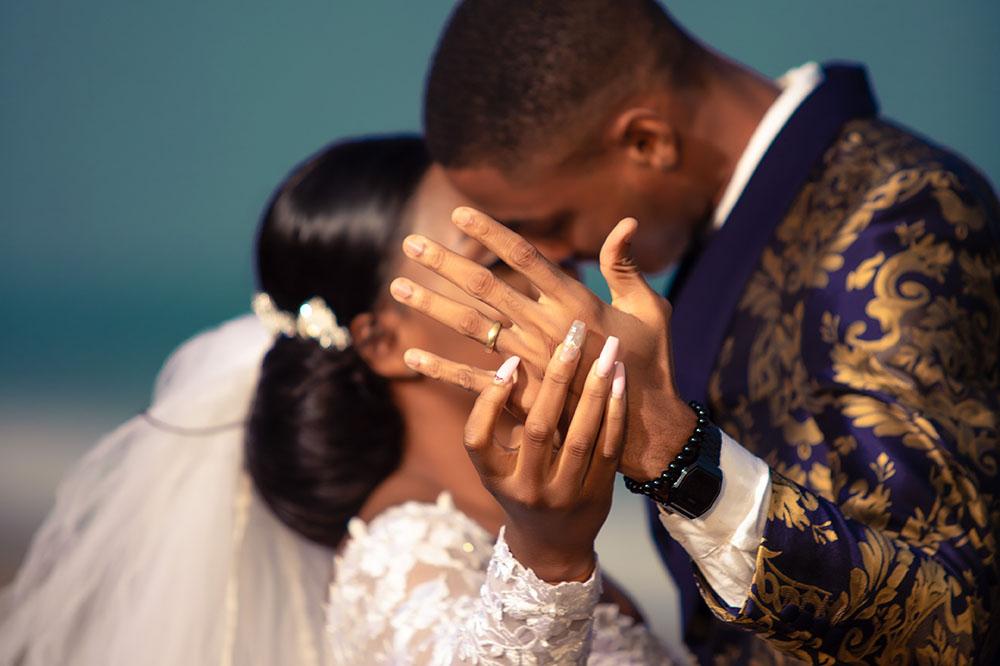
I have often heard that most marriages end in divorce, but when delving into divorce statistics, it becomes clear that this view is more complex. Bertus Preller eloquently states: “The institution of marriage, with all its complexities, continues to be a central pillar of society, providing a framework for family life, social stability, and individual fulfillment.” This statement encapsulates what marriage should embody and the crucial role it plays in both individual lives and society at large.
I got married at 32, and my wife was 28. Despite our different interests and personalities, we embarked on this journey together with our 5-year-old son. Marriage is the merging of two distinct worlds, and our early years were challenging. Every decision, from parenting to finances, became a battleground. Differences in opinions about gender roles, socializing, and the importance of extended family often led to conflicts. In such strained times, the thought of giving up crossed our minds.
Looking back, I’m grateful we persevered. Preller’s words resonate deeply with me. Despite its complexities, marriage is a natural course for building families and fostering personal growth. To me, marriage signifies a commitment to a purpose greater than oneself. It represents the natural progression of life, encompassing maturity, family, old age, and death, albeit with exceptions.
The union of marriage should be valued more than the individuals involved. It is a covenant, a sacred agreement to love one another without conditions. This journey is far from a fairy tale; it’s an experience that must be lived to be fully appreciated. While some may have had negative experiences, entering marriage with the right mindset can fortify it against almost any challenge. Marriage is not about seeking personal happiness or enduring constant unhappiness; it’s about fostering growth in partners, children, and communities.
Would I suggest marriage to couples? Yes, of course. However, it’s important to understand that there are both good and not-so-good reasons to get married. Some YouTube personalities, like Pearl, claim that marriage is a bad deal for men, and certain media reports might support this viewpoint. However, when researching the subject, it’s challenging to find conclusive evidence that men are exclusively at a disadvantage in marriages.
Consider extreme cases such as child marriage, some marriages in countries like Iraq, or the murder of Ane Dewali—these highlight severe instances where women suffer significantly. Pearl and her supporters mainly discuss the financial and some emotional damages men may endure from broken marriages. They often cite male celebrities who have divorced but neglect to mention their female counterparts whose marriages also ended.
In reality, marriage can be beneficial or detrimental for either men or women, depending on various circumstances. For me, the benefits of marriage far outweigh its difficulties. A bad marriage can indeed be painful, but a good one is extraordinary. Having a partner who chooses to face life’s challenges with you, accepting both your flaws and strengths, is a profound blessing. If we focus solely on personal happiness, marriage will falter. Instead, like Christ’s selfless love for us, we must love our partners with the same devotion.